 Lupos Dış Ticaret
Executive Summary
For Turkish companies sourcing products from China, the biggest risks in 2026 are no longer limited to freight costs or exchange rates. A growing financial crisis inside China is creating new and underappreciated risks for importers, including supplier bankruptcies, delivery failures, aggressive pricing traps, and payment disputes.
At Lupos Dış Ticaret, we increasingly see importers asking the same questions:
(Questions frequently asked by Turkish importers)
- Çin’den ithalat güvenli mi?
- Çinli tedarikçiler iflas eder mi?
- Çin ekonomik krizi ithalatı nasıl etkiler?
In English, these concerns translate to:
- Is importing from China still safe?
- Are Chinese suppliers at risk of bankruptcy?
- How does China’s economic slowdown affect imports to Turkey?
Why Import Risks from China Are Increasing
China’s economy is under financial stress at multiple levels. While public discussion often focuses on banks or government debt, the real impact is felt at the supplier level—where Turkish importers interact directly.
The critical shift is this:
Chinese suppliers are operating under increasing cash-flow pressure, and that pressure is being transferred to foreign buyers.
As a result, Turkish companies must reassess how they evaluate risk when importing from China in 2026 and beyond.
The Hidden Financial Pressure Behind Chinese Suppliers
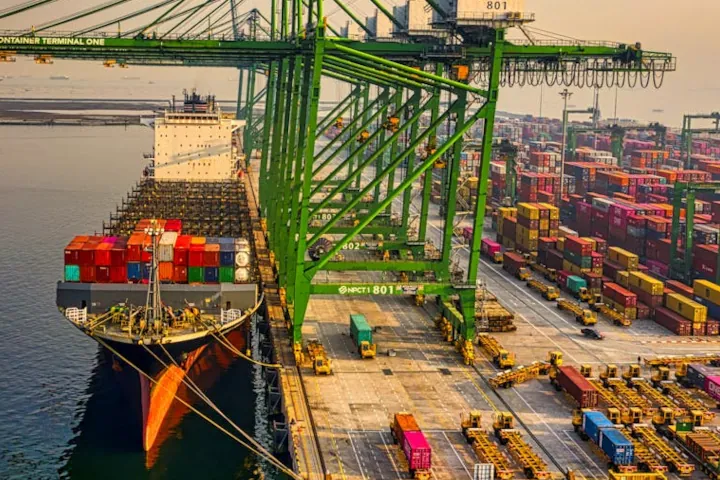
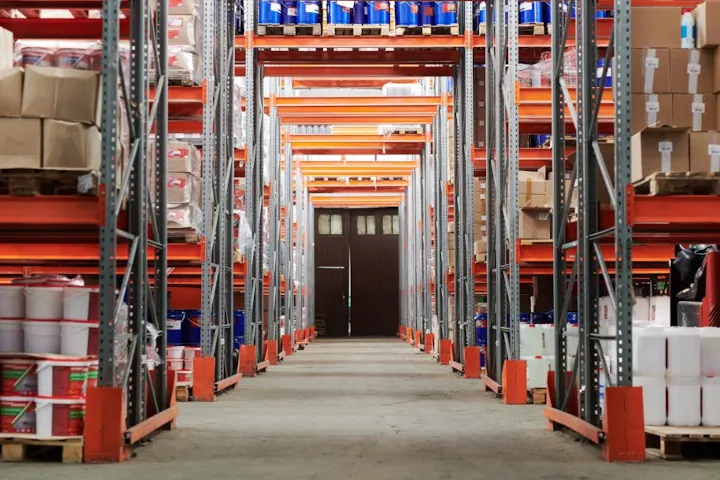
 Disruptions in the supply chain can make warehousing and shipping planning difficult for imports from China.
Local Government Debt and Supplier Cash Flow
Chinese local governments previously funded themselves by selling land to property developers. That system has collapsed. To cover expenses, local authorities borrowed heavily through Local Government Financing Vehicles (LGFVs).
Why does this matter to importers?
Because many Chinese manufacturers depend on:
- Local government incentives
- Easy access to bank credit
- Stable domestic demand
As local governments struggle financially:
- Credit becomes tighter
- Subsidies are delayed or cancelled
- Banks reduce lending to private manufacturers
This directly increases the likelihood of bankruptcy among Chinese suppliers.
How This Affects Turkish Importers in Practice
 Slow construction activity in China is putting pressure on manufacturers and supply chains.
1. Supplier Bankruptcy Risk Is Rising
Many Chinese factories are:
- Selling at or below cost
- Carrying high debt
- Surviving only through continuous borrowing
If a supplier fails:
- Advance payments may be lost
- Production may stop mid-order
- Legal recovery is difficult for foreign buyers
This represents one of the most serious risks for companies engaged in importing from China today.
One of the few effective ways to detect early warning signs is on-site factory inspection, where financial stress, production slowdowns, labor instability, and inventory gaps can be identified before payments or production commitments are made.
2. Aggressive Pricing Can Be a Warning Sign
Turkish importers often see very attractive offers and assume they reflect efficiency. In 2026, this assumption is dangerous —especially when proper product research has not been carried out.
Extremely low prices may indicate:
- Desperation for cash
- Inventory liquidation
- Inability to secure bank financing
Short-term savings can turn into:
- Missed delivery deadlines
- Quality shortcuts
- Requests for additional payments later
3. Advance Payment Risk Has Increased
Because credit is tightening inside China, many suppliers now demand:
- Higher advance payments
- Faster payment schedules
- Reduced use of trade finance instruments
This shifts financial risk from the supplier to the importer, increasing the financial risks associated with purchasing goods from China.
The practical application of these risks is clearly seen in the TFD6-150 cold heading screw machine import project.
A similar combination of supplier, payment, and documentation risks was controlled in practice in our electric forklift import project from China , where supplier verification, structured payment planning, and regulation-aligned documentation were managed as part of a single risk-controlled import operation. The same discipline was applied in our high-inspection-risk consumer electronics import project , where product safety testing, TAREKS compliance structuring, and technical documentation control were completed before shipment to prevent post-import regulatory exposure in Turkey.
Similarly, how HS code misclassification, TAREKS-related blockage risks, and document misalignment across multiple suppliers are handled in practice can be clearly seen in a high-risk, multi-supplier consolidated import execution where these compliance failures were actively mitigated in the field.
Does China’s Economic Crisis Affect Imports to Turkey?
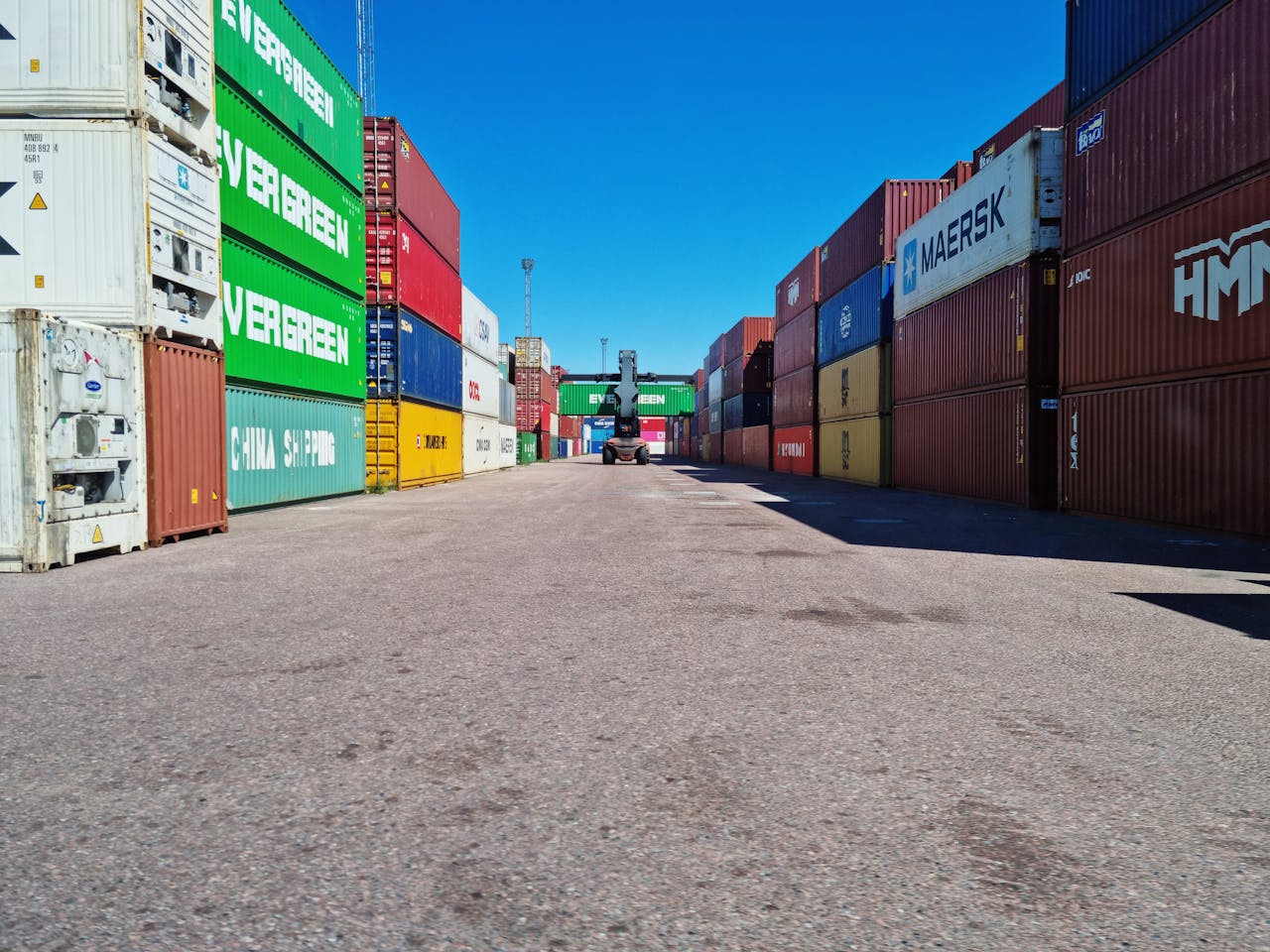
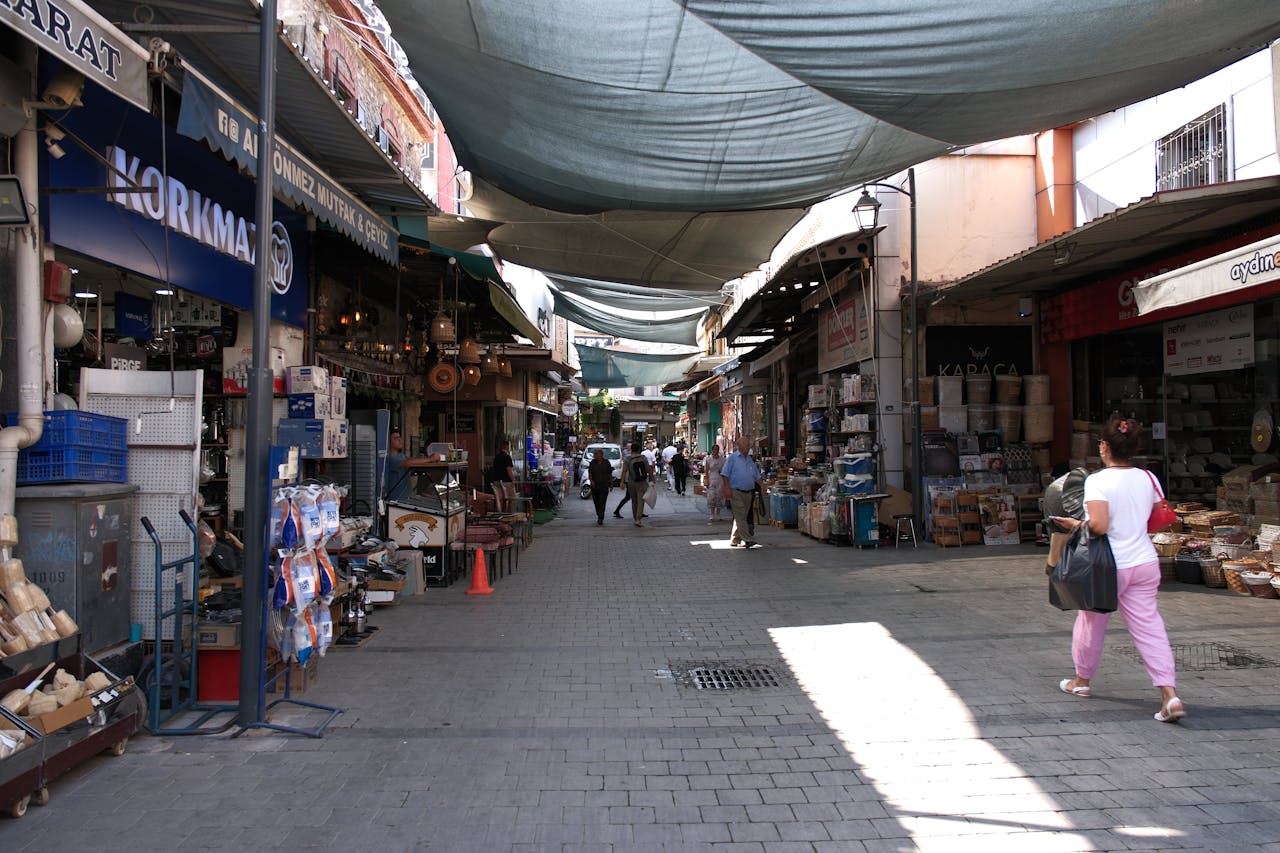 Products of Chinese origin continue to hold a large share of retail markets in Turkey.
Yes, directly.
China’s internal financial stress leads to:
- Less reliable suppliers
- More volatile pricing
- Higher counterparty risk
- Reduced predictability in production timelines
For Turkish importers, this means that supplier verification and contract structure now matter more than ever as part of how to import safely and sustainably. To navigate these complexities, we recommend following a structured wholesale importing from China process that prioritizes financial security and technical compliance over simple price discovery.
Practical Risk Management for Importing from China
Based on real cases handled by Lupos Dış Ticaret, Turkish importers should adapt their sourcing strategy:
Reduce Advance Payment Exposure
- Avoid 100% prepayment
- Use staged payments tied to production milestones
- Prefer escrow or trade assurance where possible
Verify Supplier Financial Health
- Check how long the supplier has operated
- Look for sudden price changes or unusual urgency
- Avoid factories dependent on a single buyer or sector
Diversify Supply Sources
- Do not rely on one Chinese supplier
- Maintain backup options where feasible
Strengthen Contracts
- Clear delivery deadlines
- Penalties for non-performance
- Defined dispute resolution mechanisms
These steps significantly reduce the risks associated with importing from China without dramatically increasing costs.
In practice, these measures only work when coordinated under risk-managed import consulting, where supplier assessment, payment structuring, and compliance controls are executed as a single accountable process rather than isolated actions.
To ensure these steps are implemented correctly in the field, many companies prefer to receive support from Chinese import consultancy. For more confidence and direct access to our team, meet our experts.
Why This Matters More in 2026 Than Before
The difference today is structural. China is no longer experiencing a temporary slowdown; this slowdown in the Chinese economy is reshaping supplier behavior and risk. Local governments are overspending, revenues have fallen, and debt costs are rising.
This environment:
- Rewards cautious, informed importers
- Punishes blind reliance on low prices
Companies that adapt will continue importing profitably. Those that do not will face increasing losses.
How Lupos Dış Ticaret Helps Turkish Importers
At Lupos Dış Ticaret, we support companies importing from China by:
- Evaluating supplier reliability
- Structuring safer payment terms
- Advising on sourcing strategy
- Identifying hidden financial and operational risks
Our focus is not macroeconomics. It is protecting your cash flow and shipments. How do we apply risk management? Review our real-world import case studies.
Sources & References
- International Monetary Fund (IMF) – China: Local Government Financing Vehicles and Fiscal Risks
- World Bank – China Economic Update
- Bank for International Settlements (BIS) – Research on subnational debt and financial risk
- OECD – China’s Public Finance and Subnational Debt
- Reuters – Reporting on China local government debt and credit stress
Final Takeaway
If you are importing from China, the key question in 2026 is no longer “How cheap is this supplier?”
It is:
“Will this supplier still be operating when my order is due?”
Understanding and managing the risks of importing from China is now a competitive advantage.
Companies that correctly analyze the risks of importing from China will win, those that don't will lose. Contact us for support on this matter.
Frequently Asked Questions (FAQ)
Is importing from China riskier in 2026?
As of 2026, importing from China involves higher risk compared to previous years. Financial pressure on some Chinese manufacturers, supply chain disruptions, and payment security concerns mean that importers need to manage sourcing more carefully and proactively.
How does the risk of Chinese supplier bankruptcy affect importers?
If a Chinese supplier faces bankruptcy, importers may lose advance payments, experience production stoppages, or fail to receive goods that were already paid for. These situations can result in both financial losses and serious delays in business operations.
How can payment risks be reduced when importing from China?
Payment risk can be reduced by using letters of credit (L/C), staged payment structures, supplier background checks, and clearly defined contracts covering delivery and payment terms. Working with experienced trade consultants can also significantly lower exposure.
Should companies stop importing from China in 2026?
No. China remains a key global manufacturing hub across many industries. However, in 2026 importing from China requires a more selective, risk-aware approach, with stronger supplier evaluation and better financial safeguards in place.