 Lupos Dış Ticaret
Copper is a critical industrial raw material used in the electrical, electronics, construction, automotive, and machinery sectors. Many Turkish manufacturers rely on imports to meet their copper demand due to limited domestic production. China, holding a significant portion of global copper processing capacity, is one of the largest suppliers of copper cathodes, wires, sheets, pipes, and alloyed products. Learn more on our import from China consulting page.
However, copper import is not just a price-focused transaction. Being a high-value commodity, mistakes in HS code classification, oversight procedures, customs valuation, or dealing with fraudulent suppliers can create significant operational and financial risks. Therefore, the import process from China must be carefully planned for regulatory compliance, technical verification, and professional operations management.
Why Import Copper from China?
China controls a substantial portion of global copper processing capacity and offers a wide range of products. This allows Turkish industrial buyers to procure different qualities and forms of copper at competitive international prices.
- Wide product variety (cathode, wire, sheet, pipe, and alloys)
- Large-scale production capacity
- Competitive global pricing
- Specialized alloy options for industrial production
Nevertheless, risks such as fake manufacturers, trading companies, and quality inconsistencies exist in the Chinese market. Supplier verification and producer evaluation are critical first steps in the import process.
HS Code Classification of Copper Products
Copper products are generally classified under Chapter 74 of the Turkish Customs Tariff Schedule. Incorrect classification can lead to significant customs and financial risks.
- Refined copper cathodes and ingots: 7403.11.00.00.00
- Copper wires and conductors: 7408.11.00.00.11
- Copper sheets and strips: 7407.10.00.00.00
- Alloyed copper (brass, etc.): 7403.21.00.00.00
Correct HS code assignment directly affects customs duty, VAT, additional customs duties, and potential oversight applications. Misclassification may result in fines, additional taxes, or shipment delays.
TAREKS, Oversight, and Technical Regulations
Certain imported copper products may be subject to product safety and technical regulations. Particularly, copper wire and cables used as electrical conductors may require inspection via the TAREKS system.
- Technical compliance inspection for electrical conductors
- Oversight procedures for reference price checks
- CE compliance for some processed products
- Additional financial obligations and anti-dumping measures under the Import Regime
Missing documents or misstatements can result in shipments being held at ports and incurring significant storage costs.
Supplier Verification and Fraud Prevention
Metal trading involves high financial volumes, making it prone to fraudulent activities. Many companies in China may appear as manufacturers but operate only as trading agents.
Offers of “copper at extremely low prices” are often risky. Fake suppliers, low-quality products, or improper loading can lead to substantial losses at the container level.
- Verification of factory licenses and export authorization
- Inspection of production capacity and machinery
- Review of prior export records
- On-site factory audit and field verification
For large-volume imports, on-site inspections and pre-shipment audits significantly reduce risks.
Quality Control and Technical Specifications
Copper purity and chemical composition directly affect manufacturing performance. Electrical conductivity and alloy ratios are critical for many industrial applications.
Purchase agreements should clearly define technical specifications.
- Purity levels (Cu %)
- Chemical analysis reports
- Compliance with international quality standards
- Independent laboratory testing
- Pre-shipment quantity and quality verification
Independent inspections by SGS, Intertek, or similar agencies help prevent incorrect shipments or quality issues.
Customs Valuation and Tax Risks
Customs authorities frequently conduct valuation checks on metal imports from China. Under-declared invoices may trigger additional taxes based on reference prices.
- Customs duty
- Value Added Tax (VAT)
- Additional customs duties (depending on product)
- Anti-dumping measures
To mitigate valuation risks, commercial invoices must reflect real market prices and all shipping documents must be consistent.
Logistics and Container Shipping
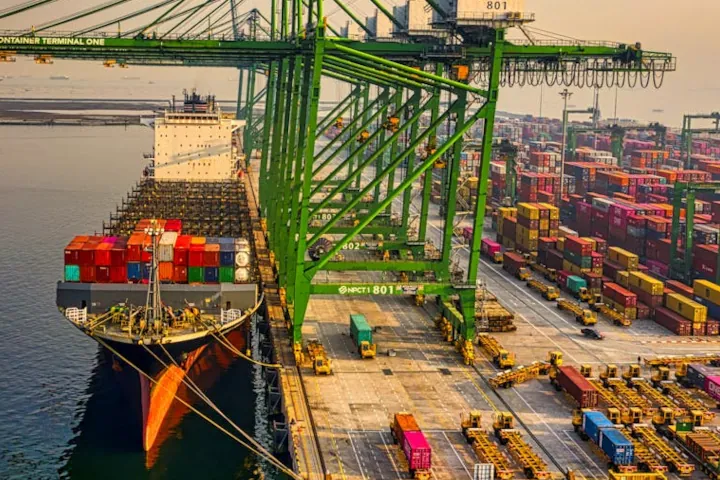
Copper is dense and high-value, so shipment planning requires careful attention. Imports from China to Turkey are usually transported via containers.
- Container loading plan
- International transport insurance
- Pre-loading weight verification
- Port operations and transit times
Improper loading or insufficient insurance can cause significant financial losses during transport.
Copper Import Process from China to Turkey
Container-scale copper imports are generally executed through the following operational steps:
- Supplier selection and factory verification
- Proforma invoice and HS code analysis
- TAREKS or oversight applications
- Sales contract and payment method determination
- Production and pre-shipment quality control
- Container loading and maritime transport
- Customs declaration and delivery in Turkey
The process typically takes 30–45 days, including production and sea transport. Ministry inspections or additional customs checks can extend this timeline.
Pricing and Financial Risk Management
Copper prices fluctuate continuously on global commodity markets, typically linked to the London Metal Exchange (LME). Import contracts should carefully define pricing methods.
- LME-based pricing models
- Currency fluctuation risks
- Fixed-price or index-linked agreements
- Payment methods (letter of credit, bank transfer, etc.)
In high-volume imports, price fluctuations can have major financial impacts, so contract structures must be strategically planned.
Frequently Asked Questions
What documents are required to import copper from China?
Essential documents include commercial invoice, packing list, bill of lading, certificate of origin, and customs declaration. Depending on product type, technical compliance certificates or test reports may also be required.
Are TAREKS inspections required for copper imports?
Some copper products, particularly processed products used as electrical conductors, may be subject to TAREKS product safety inspections.
Which copper products require CE marking?
Raw copper cathodes or ingots are generally exempt from CE marking. Some processed products used in electrical equipment may require compliance with technical regulations.
How can customs valuation risks be mitigated?
Using commercial invoices that reflect real market prices, consistent shipping documents, and verified suppliers helps minimize valuation risk.
Is scrap copper import allowed?
Scrap copper imports are subject to environmental regulations and control certificates. Special permits may be required from relevant authorities.
How long does copper import take from China?
The process, including production and sea transport, generally takes 30–45 days. Ministry inspections or customs reviews can extend this timeline.
For more information, please visit our contact page.