 Lupos Dış Ticaret
For many Turkish companies, the idea of importing from China appears simple: find a supplier, agree on a price, and ship the goods. In reality, professional importing involves a structured process that includes regulatory compliance, supplier verification, risk management, and logistics coordination. Companies that treat importing as a simple purchasing activity often face costly problems such as fraudulent suppliers, non-compliant products, customs delays, or unexpected taxes.
In Turkey, importing is governed by the Customs Tariff (GTIP), the Import Regime (İthalat Rejimi), and regulatory systems such as TAREKS. Every shipment must comply with these requirements before it can be released from customs. This guide explains how Turkish businesses import from China step by step and how to manage the risks involved in cross-border trade.
Step 1: Determine the Product and GTIP Classification
The first step in any import operation is identifying the correct GTIP code for the product. The GTIP determines customs duties, additional taxes, and whether the product is subject to inspection or regulatory approval.
Before placing an order with a Chinese supplier, importers must determine:
- The correct GTIP code for the product
- Applicable customs duties and VAT
- Additional Customs Duties or anti-dumping measures
- Whether the product requires TAREKS inspection
- Required certifications such as CE marking or laboratory testing
Many import problems begin when companies order products without understanding how Turkish customs will classify them. A misclassified GTIP can result in penalties, shipment delays, or unexpected duty assessments.
Step 2: Conduct Regulatory and Compliance Research
Importing into Turkey requires verifying that the product complies with Turkish regulations before it leaves the factory. Certain product groups are subject to strict controls under the Import Regime and relevant Ministry of Trade communiqués.
Compliance preparation may include:
- CE conformity for electrical or mechanical products
- TAREKS registration and inspection procedures
- Technical documentation and product safety files
- Laboratory test reports from accredited labs
- Proper labeling, manuals, and packaging requirements
If compliance is not verified before shipment, customs authorities may block the import or require costly testing procedures after arrival.
Step 3: Verify the Chinese Supplier
One of the most significant risks in importing from China is dealing with an unreliable or fraudulent supplier. Many companies that appear online as factories are actually trading companies or intermediaries.
Proper supplier verification should confirm that the manufacturer actually exists and has the capability to produce the goods. This process typically includes:
- Verifying the supplier’s Chinese business registration
- Confirming the factory location and production capacity
- Reviewing export records and operational history
- Determining whether the company is a manufacturer or trader
- Conducting background checks to detect fraud risks
Without verification, importers risk sending deposits to suppliers who cannot deliver the promised product or whose goods cannot meet regulatory requirements in Turkey.
Companies that prefer to avoid these risks often work with an experienced execution partner that manages supplier verification, compliance checks, and production monitoring throughout the process. See our dedicated service page for import from China to Turkey consulting.
Step 4: Structure Payment Terms and Commercial Contracts
Payment structure is one of the most sensitive aspects of importing from China. Suppliers often request deposits before production and the remaining balance before shipment. However, sending funds internationally without contractual safeguards exposes the importer to financial risk.
Professional import operations structure payments carefully and define clear contractual obligations.
- Deposit and balance payment structure
- Defined product specifications and quality standards
- Production milestones tied to payments
- Delivery timelines and penalties for delays
- Inspection conditions before final payment
Clear agreements reduce the risk of disputes and encourage suppliers to maintain quality throughout production.
Step 5: Manage Production and Pre-Shipment Inspection
Quality problems are a common issue in international sourcing. Even established factories may change materials, components, or production processes unless strict controls are in place.
Before the shipment leaves the factory, importers should conduct a pre-shipment inspection to confirm that the goods meet the agreed specifications.
- Quantity and weight verification
- Comparison with approved samples
- Functional testing for mechanical or electronic products
- Packaging and labeling compliance
- Proper loading and cargo securing
Detecting problems at the factory stage prevents costly surprises once the container arrives in Turkey.
Step 6: Plan International Logistics
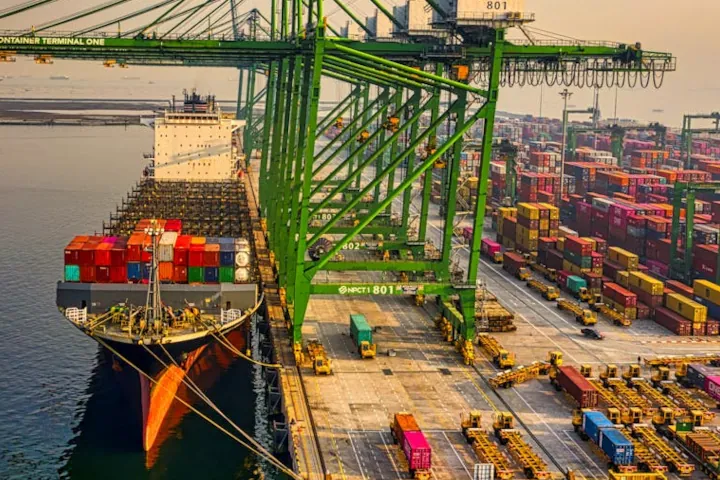
After production is completed, the goods must be transported from China to Turkey. Logistics planning includes freight booking, export documentation, and selecting the appropriate shipping method.
Most commercial imports are transported via sea freight in full containers or consolidated cargo shipments.
- Freight booking with shipping lines
- Export customs procedures in China
- Preparation of the commercial invoice and packing list
- Issuance of the bill of lading
- Transit planning and port scheduling
Logistics coordination should begin before production is completed to ensure that vessels and containers are available.
Step 7: Customs Clearance in Turkey
Once the shipment arrives at a Turkish port, it must undergo customs clearance. Customs authorities review documentation, verify the declared GTIP classification, and calculate duties and taxes.
During customs procedures, authorities may examine:
- GTIP classification accuracy
- Customs valuation of the goods
- Technical documentation and certificates
- TAREKS approvals when applicable
- Physical inspection of the shipment
If documentation is incomplete or the product does not meet regulatory requirements, the goods may be delayed, rejected, or subject to penalties.
Step 8: Delivery and Post-Import Verification
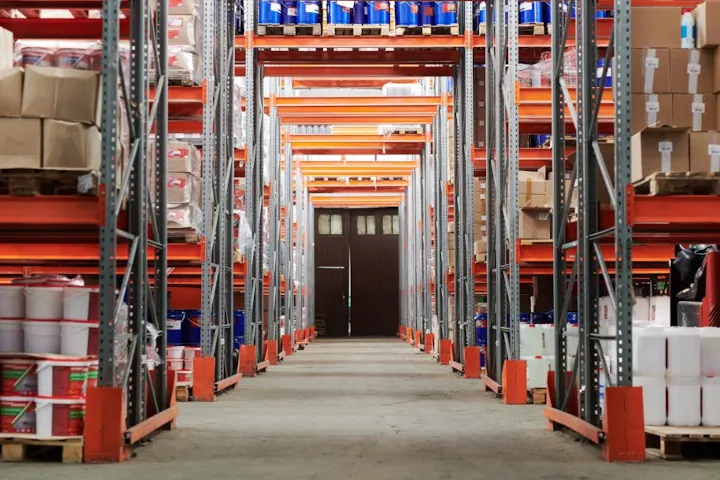
After customs clearance is completed, the goods are released and transported to the importer’s warehouse or factory. At this stage the importer should verify the shipment and ensure that all documentation is archived correctly.
Maintaining accurate records is essential for future customs audits, financial reporting, and product traceability.
Why Many China Import Attempts Fail
Many companies approach importing from China as a simple purchasing decision rather than a regulated trade operation. In practice, importing requires coordination between regulatory compliance, supplier management, financial risk control, logistics, and customs procedures.
The most common failures include:
- Choosing unverified suppliers
- Misclassifying the product’s GTIP code
- Ignoring TAREKS or certification requirements
- Skipping inspections before shipment
- Underestimating customs procedures in Turkey
Businesses that structure the import process professionally significantly reduce the risk of financial loss or shipment delays. If your company is planning an import project and needs structured execution support, you can contact our team directly through the import consulting contact page.
Frequently Asked Questions (FAQ)
How do you start importing from China to Turkey?
The process begins by identifying the product and determining its GTIP classification. Importers must then verify the supplier, confirm regulatory compliance, structure payment terms, and organize logistics before placing an order.
Do you need a company to import from China?
Yes. Commercial imports into Turkey must be carried out by a registered company capable of declaring goods through customs and meeting tax and regulatory obligations.
What documents are required for importing from China?
Common documents include the commercial invoice, packing list, bill of lading, certificate of origin, and any conformity documents required for the product category such as CE declarations or laboratory test reports.
Is TAREKS required for imports from China?
For many product categories, TAREKS approval is mandatory. If the product falls under specific Ministry of Trade communiqués, customs clearance cannot proceed until the TAREKS process is completed.
How long does shipping from China to Turkey take?
Sea freight typically takes between 35 and 45 days depending on the port of departure, transit routes, and customs procedures.
What are the biggest risks when importing from China?
The most common risks include supplier fraud, quality problems during production, incorrect GTIP classification, and non-compliant products that fail customs inspections in Turkey.