 Lupos Dış Ticaret
Many Turkish businesses start by looking at the product price on Alibaba or a supplier's Proforma Invoice. However, this "sticker price" often represents less than 60% of the total landed cost. Accurately calculating "Çin’den ithalat maliyeti" requires understanding regulatory fees, customs duties, logistics, and technical compliance under the Turkish Import Regime (İthalat Rejimi).
Ignoring any of these factors can lead to unexpected expenses, penalties, or inspection delays. This guide provides a unified approach to estimating, planning, and minimizing your import costs while remaining fully compliant with Turkish regulations. Feel free to contact us for expert guidance.
Key Components of Import Costs
The total cost of importing from China consists of multiple components that go beyond the factory price. Each factor must be included to prevent miscalculations. Our cinden ithalat danismanlik services ensure every penny is accounted for.
- Product Cost – The base price charged by the supplier, influenced by order quantity, quality, and payment terms.
- Shipping and Freight – Costs vary depending on sea, air, or express courier, container size, and logistics provider.
- Customs Duties – Calculated based on GTIP (Gümrük Tarife İstatistik Pozisyonu) codes and declared customs value.
- VAT (KDV) – Applied on the sum of product price, shipping, duties, and other regulatory fees.
- Regulatory Fees – Include TAREKS registration, CE marking, or other mandatory certifications.
- Insurance – Optional but recommended to protect against damage or loss during transit.
- Handling and Clearance Fees – Local agent, port, or customs broker fees, including Ordino, Demurrage, and Terminal Handling Charges.
- Special Taxes – ÖTV or other sector-specific taxes depending on product type.
GTIP Codes, Taxation, and Compliance
The GTIP code is the foundation of import cost calculation. It defines duty rates, applicable inspections, and regulatory requirements.
- Customs Duty – Determined by the product category.
- Additional Customs Duty (İlave Gümrük Vergisi - İGV) – Applied in some sectors to protect local production.
- VAT – Usually 20%, based on CIF value plus all duties and fees.
- Special Consumption Tax (ÖTV) – For certain goods like electronics or vehicles.
- TAREKS Requirements – Electronic risk-based audits by the Ministry of Trade.
- CE Marking or TSE Inspections – Technical compliance fees for certain product categories.
Misclassifying GTIP codes or underdeclaring value can trigger fines, additional assessments (Ek Tahakkuk), or Ministry of Trade surveillance (Gözetim Belgesi), which significantly increase the landed cost.
Calculating the Total Landed Cost
The landed cost formula combines all relevant expenses to determine the real cost per unit.
- Landed Cost = Product Price + Shipping + Customs Duties + VAT + Regulatory Fees + Insurance + Handling Fees + Special Taxes
Example: Ordering $50,000 of machinery with $3,000 shipping, $2,500 customs duties, $3,500 VAT, and $500 regulatory/insurance costs results in a total of $59,500. Dividing by units gives per-unit cost for accurate pricing.
Factors Influencing Import Costs
- Supplier Negotiation – Larger orders can reduce unit price.
- Shipping Method – Sea freight is cheaper but slower; air freight is faster but costly.
- Currency Fluctuations – Exchange rates between USD, CNY, and TRY affect total cost.
- Customs Valuation – Accurate invoice values prevent overpayment or penalties.
- Compliance and Inspections – TAREKS, CE, and Ministry of Trade controls may add unexpected fees.
- Low-Price Sourcing – Substandard products can lead to rejected shipments or additional taxation.
Hidden Costs at Turkish Ports
Port fees often surprise new importers if not accounted for in planning.
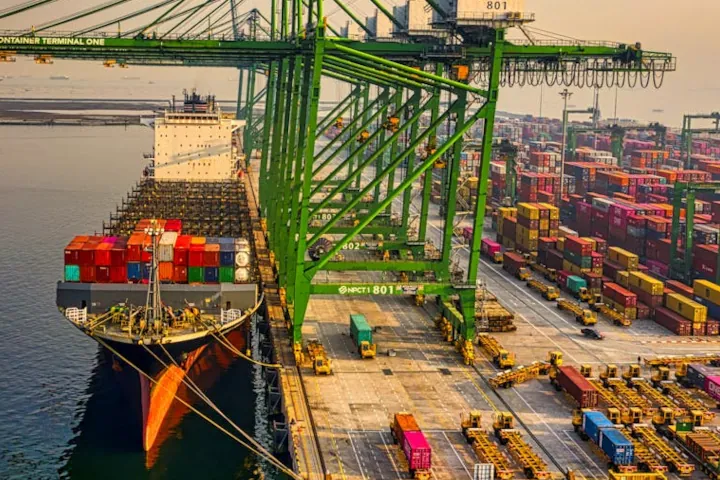
- Ordino (Delivery Order) – Fee to release goods from the port.
- Demurrage/Detention (Demoraj) – Charged if customs clearance exceeds free time.
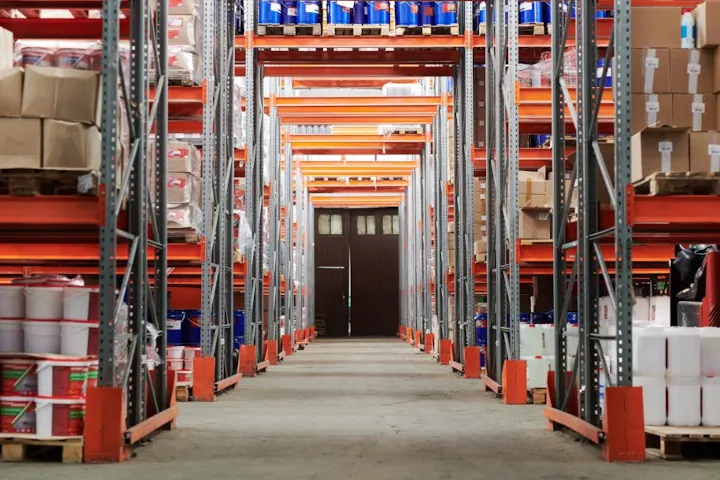
- Terminal Handling Charges (Ardiye) – Warehouse storage at the port.
- Customs Broker Fees – Professional fees for handling declarations and documentation.
Strategies to Legally Reduce Import Costs
- Consolidate shipments to lower per-unit shipping fees.
- Negotiate better pricing or payment terms with verified suppliers.
- Ensure accurate GTIP classification to prevent overpayment of duties.
- Use a reliable freight forwarder or import consultant to streamline logistics and avoid fines.
- Plan for TAREKS, CE, and other regulatory requirements to avoid expedited or penalty fees.
- Monitor currency rates and hedge when possible to reduce financial risk.
Common Mistakes That Inflate Costs
- Ignoring hidden port, broker, or warehouse fees.
- Failing to account for currency fluctuations.
- Overpaying for fragmented shipments.
- Neglecting regulatory compliance like TAREKS or CE.
- Misdeclaring GTIP codes or invoice values, triggering fines or delays.
FAQ – Çin’den İthalat Maliyeti
What determines the customs duty for imports from China?
Customs duty is based on the GTIP classification and declared customs value. Correct classification prevents overpayment and inspections.
How is VAT applied to imported goods?
VAT applies to the sum of product cost, shipping, customs duties, and regulatory fees, reflecting the total landed cost.
Are there hidden costs when importing from China?
Yes. Hidden costs include port handling, customs broker fees, inspection fees, insurance, and compliance documentation.
Can shipping method affect total import cost?
Absolutely. Sea freight is economical for large volumes; air freight is faster but more expensive.
Can TAREKS inspections be avoided to save money?
No. TAREKS is mandatory for certain GTIP codes. Budgeting for compliance is required to safely import.
Does the exchange rate affect final import cost?
Yes. Duties and VAT are calculated using the TCMB selling rate at the customs declaration date.
What is "Gözetim Belgesi" and how does it impact cost?
A Surveillance Document is required if unit prices fall below Ministry-set thresholds. Without it, taxes are calculated on a higher reference price, significantly increasing duties and VAT.
Conclusion
Accurately calculating "Çin’den ithalat maliyeti" requires a comprehensive understanding of product cost, shipping, GTIP-based taxes, regulatory compliance, and hidden port fees. By planning ahead, ensuring accurate documentation, and partnering with experienced consultants, Turkish importers can minimize risk, maintain profitability, and ensure smooth customs clearance.