 Lupos Dış Ticaret
The import process from China is a multi-stage commercial operation that begins with product research and continues through supplier verification, order management, production monitoring, international logistics planning, and customs clearance in Turkey. This process is not limited to simply purchasing products; if not managed properly, it can lead to regulatory issues, logistical delays, and significant financial risks.
For manufacturers, distributors, and procurement teams operating in Turkey, managing imports from China requires coordination between customs tariff classification, technical compliance requirements, quality control procedures, and customs operations. Below is the general operational flow and the key control points involved in importing products from China to Turkey.
Main Stages of the Import Process from China
International import operations consist of several interconnected stages. Supplier selection, order management, production monitoring, logistics organization, and customs clearance all operate as part of a single operational chain.
Mistakes in any of these stages can delay the import operation or cause issues when the goods arrive at customs.
- Product research and supplier selection
- Establishing order conditions and proforma invoice
- Payment planning and production management
- Shipment preparation and international transportation
- Customs clearance in Turkey
- Domestic logistics and final delivery
1. Product Research and Supplier Selection
The import process from China typically begins with identifying the product to be imported and finding a suitable manufacturer. China has many factories producing similar products, and factors such as quality, price, and production capacity play a key role in supplier selection.
During this stage, the supplier’s commercial background, production capacity, and export experience should be reviewed. Many companies conduct this research through international B2B platforms, trade fairs, or direct communication with manufacturers.
- Reviewing the manufacturer’s commercial history
- Evaluating factory production capacity
- Requesting product samples and verifying specifications
- Checking minimum order quantities and production timelines
2. Proforma Invoice and Order Terms
Once an agreement is reached with the supplier, a proforma invoice is typically prepared. The proforma invoice functions as a preliminary commercial document outlining the key terms of the import transaction.
This document includes product descriptions, quantities, pricing, delivery terms, and payment conditions. The following stages of the import operation are largely carried out based on the commercial conditions defined in this document.
- Product technical specifications and quality standards
- Order quantity and unit pricing
- Incoterms delivery terms (FOB, CIF, etc.)
- Payment terms and production timeline
3. Payment and Production Process
After the proforma invoice is approved, the payment process begins and the production schedule is initiated. Manufacturers in China usually require a deposit at the beginning of the order, with the remaining balance paid once production is completed.
Production timelines vary depending on the type of product, order volume, and manufacturing schedule. Importers should monitor the production process and plan quality inspections before shipment when necessary.
4. Pre-Shipment Inspection and Loading Preparation
Once production is completed, shipment preparations begin. At this stage, packaging conditions, labeling standards, and loading plans are reviewed.
In large-scale commercial shipments, pre-shipment quality inspections are commonly conducted. These inspections confirm that the goods meet the agreed technical specifications before they are shipped.
- Packaging and labeling inspection
- Preparation of shipping documents
- Container loading planning
- Pre-shipment quality inspection
5. International Transportation and Logistics Planning
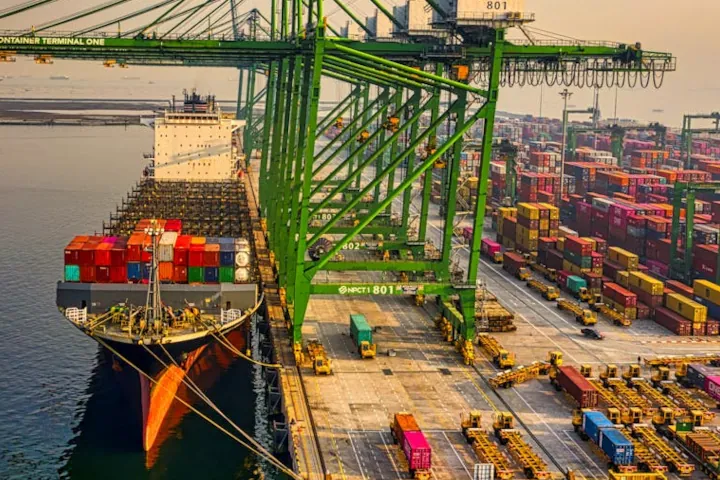
Commercial shipments from China to Turkey can be transported using different logistics modes. The most commonly used method is sea freight container transportation.
Transit times and costs vary depending on the transportation method, port congestion, and international logistics conditions.
- Sea freight: approximately 25–45 days
- Rail freight: approximately 15–25 days
- Air freight: approximately 3–7 days
Transportation time can vary depending on port congestion, vessel schedules, customs procedures, and global trade conditions.
6. Customs Clearance in Turkey
Once the goods arrive in Turkey, import procedures are carried out at customs. At this stage, an import declaration is filed and the required documents are submitted to the customs authorities.
During customs processing, the product’s tariff classification, applicable import regime, and technical regulations are taken into account. Some products may require additional conformity procedures or regulatory approvals.
- Commercial invoice
- Packing list
- Bill of Lading
- Certificate of Origin
- Conformity or technical documentation applications
Depending on the product category, CE marking, TAREKS applications, or Turkish Standards Institute (TSE) conformity procedures may be required. After taxes are paid and customs procedures are completed, the goods are released to the importer.
7. Domestic Logistics and Delivery
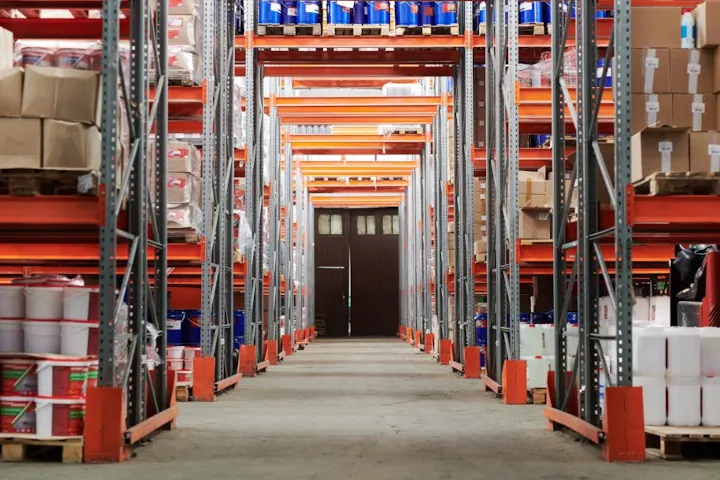
After customs clearance, the goods are transported to the importer’s warehouse, factory, or distribution center. Domestic transportation and storage operations begin at this stage.
In large-scale import operations, warehouse planning, inventory management, and distribution coordination are important parts of the overall commercial process.
Critical Risk Points in the China Import Process
Importing from China involves multiple technical and commercial factors. For this reason, several critical control points should be carefully managed throughout the import operation.
- Correct determination of the product’s customs tariff classification
- Verification of supplier reliability
- Evaluation of technical compliance requirements
- Monitoring production and quality control processes
- Proper preparation of shipment documentation
Proper management of these factors is essential for completing the import operation without disruptions.
FAQ
How many stages are involved in importing from China?
The import process from China generally consists of product research, supplier selection, order confirmation, production monitoring, international transportation, and customs clearance in Turkey. The exact structure of the process may vary depending on the product and business model.
How long does the import process from China take?
The timeline depends on production time, transportation method, and customs procedures. A typical import operation using sea freight, including production time, usually takes several weeks to a few months.
What documents are required to import from China?
The main documents include the commercial invoice, packing list, bill of lading, and certificate of origin. Depending on the product category, additional conformity or technical documents may also be required.
How are customs procedures handled for imports from China?
Once the goods arrive in Turkey, an import declaration is filed and the required documents are submitted to customs. After duties are paid and inspections are completed, the goods are released to the importer.
What is the most commonly used transportation method for imports from China?
For large commercial shipments, sea freight container transportation is the most widely used method. Air freight or rail freight may be used when faster delivery is required.