 Lupos Dış Ticaret
Importing full containers from China—referred to in Turkish as "Çin’den konteyner ithalatı"—is a high-stakes operation that goes far beyond simply sourcing the cheapest supplier. Turkish SMEs and manufacturers must navigate customs regulations, TAREKS and CE compliance, GTIP classification, and financial risk. Mistakes can result in delayed shipments, penalties, or significant financial loss.
Proper planning is critical: this guide provides an integrated overview of costs, compliance requirements, logistics, product selection, and best practices for a safe and profitable import process. To ensure your business is protected, professional cinden ithalat danismanlik services can bridge the gap between risk and execution.
Container Import Costs from China
Total landed cost for a container depends on multiple components. These include the container type, freight method, product value, customs duties, VAT, and inland transportation within Turkey. Accurate estimation prevents surprises that could erode profit margins.
- Freight costs: Sea freight is the most economical for full container loads (FCL), while air freight is faster but substantially more expensive. Prices vary by port, shipping line, and season.
- Product cost: Invoice value of goods purchased from the supplier.
- Customs duties and VAT: Calculated based on GTIP codes and declared value.
- Handling fees: Port handling, container unloading, and trucking to the final warehouse in Turkey.
Shipping Options and Logistics
FCL vs LCL
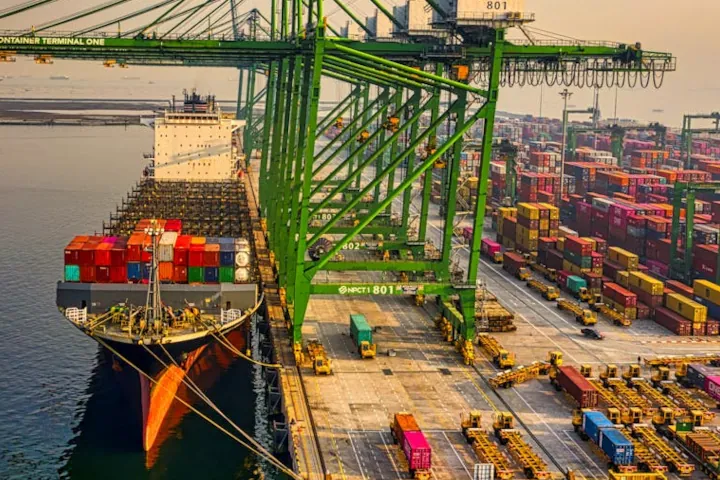
- FCL (Full Container Load): Exclusive use of a 20ft or 40ft container, reducing handling risks and usually resulting in faster customs clearance at ports like Istanbul (Ambarlı), Gebze, or Mersin. Recommended for large volumes.
- LCL (Less than Container Load): Sharing container space with other importers. Cost-effective for small volumes but involves more handling and a higher risk of customs inspection delays.
Transit Times
Sea freight from major Chinese ports (Shanghai, Shenzhen, Ningbo) to Turkish ports typically takes 20–45 days, depending on route, shipping line, and port congestion. Inland transport within Turkey should also be factored into planning. Air freight offers faster delivery but at much higher cost.
Technical Compliance: GTIP, TAREKS, and CE
Regulatory compliance is non-negotiable for safe import. The "İthalat Rejimi" (Import Regime) requires accurate GTIP codes, valid TAREKS registrations, and CE certificates where applicable. Failure to comply can result in blocked shipments, fines, or retroactive duties.
GTIP (HS Code) Accuracy
GTIP codes act as the identity of imported goods. Correct classification determines customs duty, Additional Customs Duty (İGV), and whether your product falls under Ministry of Trade surveillance. Misclassification can trigger audits, retroactive taxation, and legal disputes.
TAREKS and CE Requirements
Products ranging from electronics to toys must be registered in TAREKS and supported by proper CE technical files, not just logos. Without correct documentation, containers cannot enter the Turkish domestic market. Lupos Dış Ticaret emphasizes verifying all compliance before shipment departure. For complex regulatory needs, you can contact our team for specialized support.
Managing Supplier and Financial Risk
- Supplier Verification: Confirm the Chinese business license, production capacity, and references. Avoid unverified Alibaba sellers and fake "China offices."
- Pre-Shipment Inspection (PSI): Ensure that goods match specifications before container sealing. Once the Bill of Lading is issued, leverage is limited.
- Payment Security: Always evaluate risk before sending advance payments ("Peşin ödeme") for high-value containers.
Choosing Profitable Products
High-margin categories include electronics components, machinery parts, furniture, textiles, LED automotive lighting, smart home devices, and specialized industrial tools. Profitability depends not only on market demand but also on regulatory compliance and proper GTIP classification.
Best Practices for Container Imports
- Conduct thorough supplier verification and factory audits.
- Classify products correctly under GTIP and ensure TAREKS compliance.
- Calculate total landed cost, including duties, VAT, freight, and inland transport.
- Track shipments actively and maintain communication with shipping lines.
- Prepare all import documentation in advance to avoid customs delays.
Frequently Asked Questions (FAQ)
Çinden 1 konteyner mal kaça gelir?
Ocean freight for a 20ft container usually ranges from $1,500 to $5,000 depending on product type, season, and shipping terms. A 40ft container may cost between $2,500 and $10,000. Total landed costs include port fees, customs duties, inland transport, and VAT.
Çin'den gelen ürünün gümrük vergisi ne kadar?
Customs duty depends on the GTIP classification. Rates in Turkey typically range from 0% to 30%, plus Additional Customs Duty (İGV) and 18–20% VAT. Some products may require anti-dumping duties or be subject to Ministry of Trade surveillance.
Çin'den en karlı ne getirilir?
Electronics components, industrial machinery parts, furniture, textiles, smart home devices, and LED lighting are often profitable. Regulatory compliance, proper GTIP classification, and TAREKS registration are essential to maintain margins.
Çinden Türkiye'ye konteyner kaç günde gelir?
Sea freight generally takes 20–45 days from China to Turkey depending on ports, routes, and congestion. Additional time should be allocated for customs clearance and inland delivery.